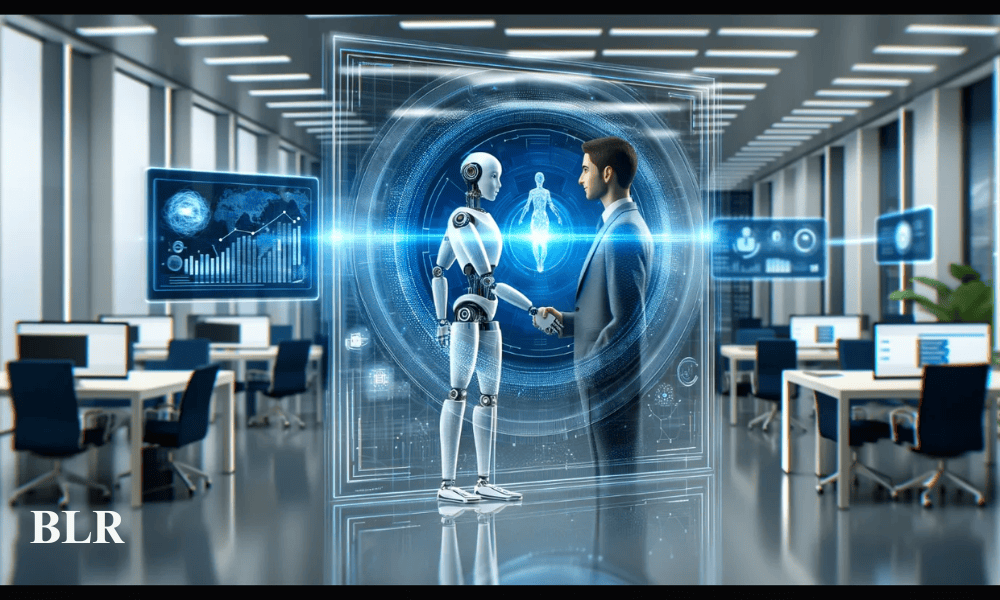
Reflections on AI at TechWeek
After another successful TechWeek, I’ve been thinking about the prominence of AI topics this year. Given AI’s rapid impact beyond the tech sector, it’s no surprise—but it’s a nuanced topic with many grey areas, making conversations around it sometimes polarizing.
AI’s presence is undeniable, especially at events like Techfest in Christchurch, where almost everyone had interacted with AI in some form. This got me reflecting on its effect in my own industry: recruitment. AI isn’t replacing people; it’s reshaping how tech roles, teams, and organization’s operate across USA. So how should employers respond when planning their workforce? Here’s my take.
Rethinking Workforce Planning
Traditional workforce planning assumed roles were fixed and predictable, with a focus on headcount, job classifications, and structured hiring.
Today, business environments are dynamic, and AI is accelerating the evolution of tech jobs, making rigid job descriptions quickly outdated. For instance:
- Data Analysts & Scientists: AI handles routine tasks like data cleaning, shifting focus to insights and strategy.
- Software Testers: Automation now takes over repetitive testing, freeing testers to work on quality strategy.
- IT Support Analysts: Chatbots and AI diagnostics handle routine issues, allowing staff to focus on complex problem-solving.
Some reports suggest generative AI could change over 40% of common tasks within the next few years—demonstrating why classic workforce planning approaches are no longer sufficient.
Hiring in an AI World
Soft skills are increasingly critical as AI becomes embedded in workflows. Employers need to consider:
- Recruiting for AI literacy across all tech roles.
- Valuing creativity, problem-solving, and adaptability alongside technical expertise.
- Updating job descriptions to reflect curiosity, critical thinking, and communication skills.
Building AI Skills in Leadership
A common challenge in mid-to-large organization’s is the gap between leadership and younger staff already using AI tools. Leaders must understand AI to guide adoption and manage change effectively. Steps include:
- Assess AI knowledge at the leadership level.
- Offer targeted AI training for non-technical managers.
- Upskill emerging leaders before they take on decision-making roles.
Developing Organization-Wide AI Capability
- Identify which roles and tech stacks are adopting AI fastest.
- Recognize roles at risk of redundancy and plan reskilling initiatives.
- Establish internal pathways for new AI capabilities.
Some USA companies already run micro-learning programs, allocate experimentation time, and bring in external advisors to integrate AI into teams.
Updating Recruitment Practices
AI also affects hiring. Candidates increasingly use AI for CVs and cover letters, which can make evaluating authenticity challenging. Consider:
- Emphasizing practical assessments and scenario-based interviews.
- Asking about specific AI tools candidates have used and their outcomes.
- Highlighting opportunities for candidates to experiment with AI in the role.
Embrace a Positive AI Mindset
AI should be viewed as a tool, not a threat. Roles will evolve, and organization’s that embrace AI gain a competitive advantage in attracting and retaining talent. Encourage managers to:
- Discuss AI openly as part of team culture.
- Support experimentation and learning.
- Remove stigma around using AI tools daily.
Moving Forward
AI is here to stay and is evolving rapidly. Waiting for a perfect guide isn’t feasible, but taking proactive steps now can help build an AI-ready workforce.
For job seekers or employees wondering about their future in this AI-driven world, stay tuned for part two of this blog. Employers seeking guidance on workforce planning and hiring strategies can reach out for support.